
An unannounced OSHA inspection can be a significant event for any business owner, potentially causing disruption and concern. Understanding the process and your rights is crucial for navigating such a situation effectively and maintaining a safe, compliant workplace. At L4 Sentinel Services, we recognize that proactive preparation and informed responses are key to ensuring operational continuity and employee well-being. This guide aims to demystify what to expect when an OSHA Compliance Safety and Health Officer (CSHO) arrives at your facility.

The Arrival and Opening Conference
When an OSHA CSHO arrives, they will typically present their credentials and explain the reason for their visit, which could be in response to a complaint, an accident, or part of a programmed inspection targeting high-hazard industries. This initial phase involves an opening conference, where the CSHO will outline the scope of the inspection, the procedures they intend to follow, and the documents they will need to review. During this time, it is important to understand your rights, including the right to accompany the inspector and to have an employee representative present. Maintaining a professional and cooperative demeanor while ensuring your rights are upheld sets the tone for the entire process.
The Facility Walkaround
Following the opening conference, the CSHO will typically conduct a walkaround inspection of your facility. They will observe working conditions, equipment, and processes to identify potential hazards or non-compliance with OSHA standards. During the walkaround, inspectors may take photographs, measurements, and samples, and interview employees privately about their work practices and safety concerns. It is vital to accompany the CSHO, taking detailed notes and duplicating any measurements or samples they collect. This stage is critical for identifying areas that might require improvement and demonstrating your commitment to a safe work environment.
Document Review and Employee Interviews
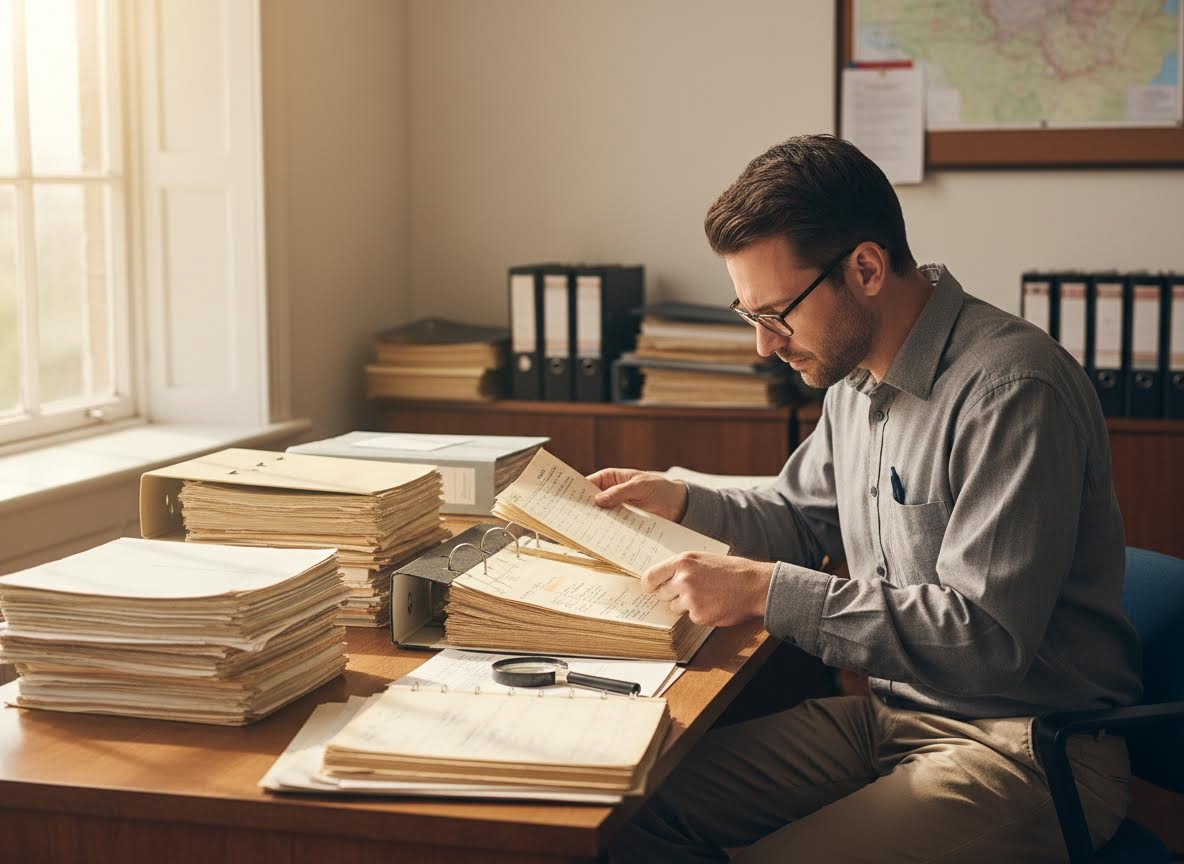
A significant part of any OSHA inspection involves reviewing various records and documentation. This can include injury and illness logs (OSHA 300 logs), hazard communication programs, safety training records, machine guarding records, and industry-specific safety program documentation. The CSHO will assess whether your documented safety procedures align with actual practices. Employee interviews, conducted confidentially, allow the CSHO to gather firsthand accounts of workplace conditions and safety culture. Being organized and having readily accessible and accurate documentation can significantly streamline this part of the inspection process.
The Closing Conference and Potential Outcomes
After the walkaround and document review, the CSHO will hold a closing conference with management representatives. During this meeting, they will discuss any observed violations, proposed citations, and the abatement periods for identified hazards. This is your opportunity to ask questions, provide additional information, and discuss potential solutions. If citations are issued, they will detail the specific standards violated, the proposed penalties, and the deadline for correcting the issues. Businesses have the right to contest citations, abatement periods, or penalties through an informal conference with the OSHA Area Director or by filing a notice of contest. Effectively managing regulatory compliance is key to minimizing these outcomes.
Navigating an unannounced OSHA inspection can be a complex and demanding process, but understanding each stage is crucial for a favorable outcome. Proactive preparation, including robust health & safety consulting practices and a clear understanding of your obligations, can significantly reduce stress and potential liabilities. For those seeking to enhance their workplace safety protocols, gaining comprehensive insights into regulatory requirements is invaluable. To learn more about strengthening your safety culture and ensuring proactive compliance, L4 Sentinel Services encourages you to contact us today.